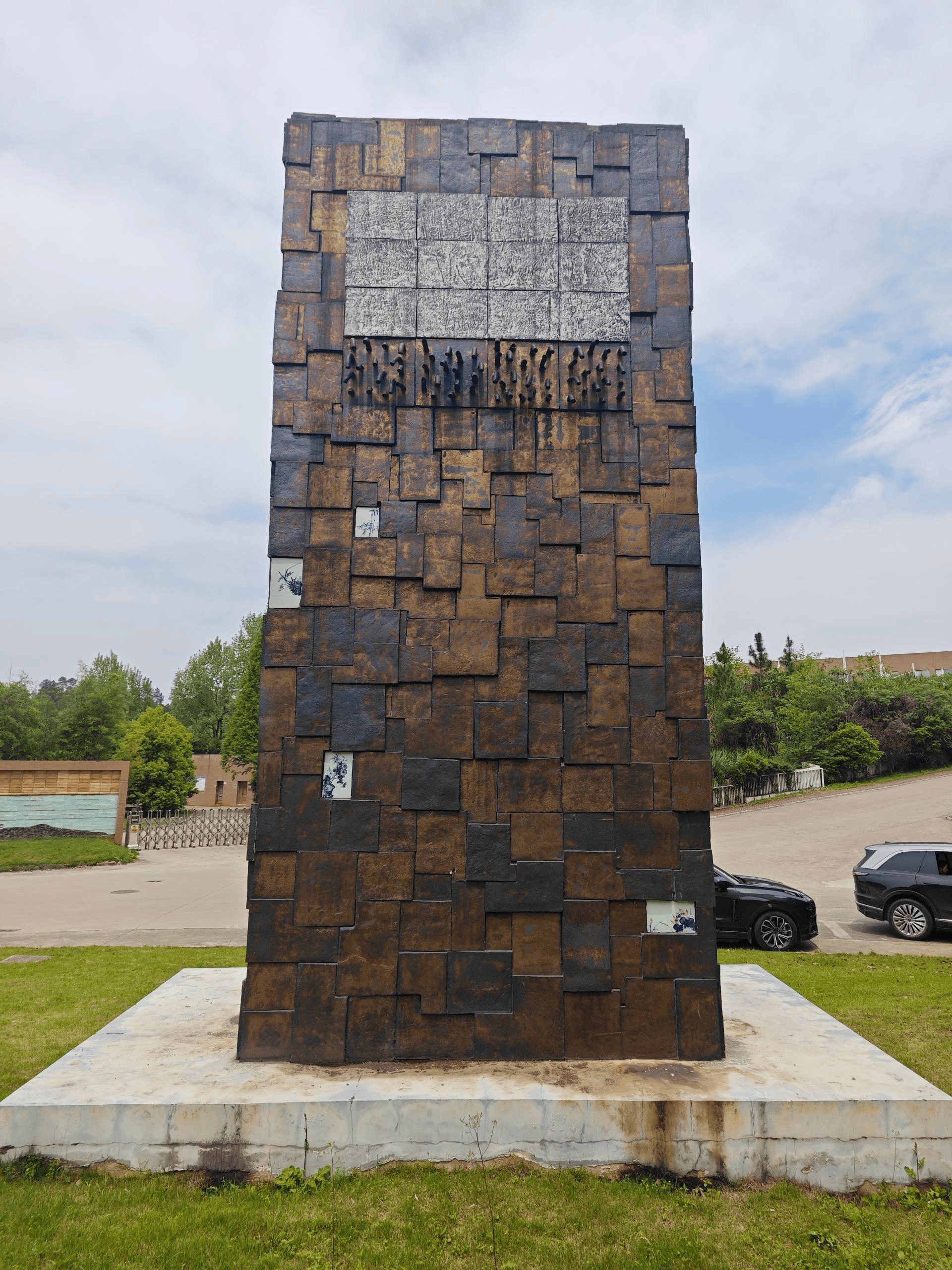
Stoneware figure represents a extraordinary expression style with a enduring history, spanning back innumerable of years. From ancient receptacles to present-day installations, the substance offers unique possibilities for creative manifestation. Makers practice assorted techniques – including coiling, wheel turning, and refined firing processes – to manufacture humble earth into evocative three-dimensional objects. The toughness of fired ceramic also contributes to its status as a truly significant part of human history.
Analyzing Porcelain Sign Designs and Methods
The field of ceramic marker design offers a extensive array of expressive possibilities. Crafters often explore a blend of classic and contemporary techniques to form visually eye-catching pieces. These can cover from simple, etched reliefs to complex, multi-layered designs. Typical methods include pattern casting, forming by hand, the glaze process – which can involve diverse modes like initial glaze painting, decoration on top of the glaze, and scratched design where designs are uncovered by removing a layer of glaze. Further exploration into finishing techniques such as raku firing and lustreware can lead to truly uncommon and exclusive porcelain markers.
- The slip cast process - Forming pieces using a mold
- Manual Crafting - Delicately building the loam
- Coating - Covering the surface with a smooth finish
- Etched illustration - Disclosing designs by taking away surfaces
Mesmerizing Experiences: Porcelain Art Exhibits
The maturing landscape of visual arts presents exciting original avenues for audiences, and ceramic art installations are at the summit of this revolution. These aren't just static pieces; they are fabricated to envelop the viewer in a sensory atmosphere. Imagine venturing into a forest of towering, polished ceramic trees, or navigating a maze of sensitive ceramic vessels. Many craftsmen are now incorporating sound, brightness, and even aroma to enhance the atmosphere of their work. Imagine the power of a room filled with hundreds of individually ceramic figurines, each telling a tale. Habitually, such installations delve into themes of nature, nostalgia, and humanity.
- The described installations blur the boundaries between design and environment.
- Viewing a ceramic art installation can be a deeply affecting journey.
- Sculptors are challenging the edges of what is conceivable with clay.
Any Allure of the Stoneware Pot: Application and Shape
The stoneware vessel represents a admirable union of utility and decorative appeal. Historically, these vessels served a minimalist assignment in containing plants, but their maturation has transformed them into highly valued works of craft. Each work showcases the dexterity of the craftsman, demonstrating how configuration can be as pressing as purpose. The attentive shaping, the one-of-a-kind glazes, and the general presence of a expertly-built holder can raise a space, offering both charm and a reserved reminder of the designer’s hand.
Current Porcelain Model : Pushing Horizons
Present-day terracotta design represents a fascinating shift from historical practices. Designers are dynamically advancing with new methods, challenging the divisions between creation and alternative design spheres. From large installations to detailed miniature pieces, these kinds of works delve into themes of individuality while parallelly remodeling the basic of what porcelain can demonstrate. The upshot is a forceful sector of creative expression.
Ceramic Plaque: Preserving History in Clay
Brick plaques offer a singular method for noting significant events and souls. Distinguished from traditional metal or stone markers, these enduring pieces of handiwork are formed from heated clay, creating a palpable link to the Magic Cube Ceramics yesteryear. Generally, they showcase intricate sculptures or vividly colored imagery, narrating stories that might otherwise be forgotten. An technique, rooted in ancient folk, provides a captivating and enduring way to commemorate our collective story.
- The mentioned can be set in common spaces.
- Several are now considered historical wonders.
Terracotta Art Exhibits: Altering Spaces
Terracotta art installations are arising a compelling medium for builders to transform public and private spaces. These immersive pieces frequently involve significant clay structures that captivate viewers, redirecting their view of the constructed environment. By infusing diverse procedures like slab forming and comprehensive firing systems, ceramic artists produce truly extraordinary experiences, softening the thresholds between craft and space. The upshot is often a impactful modification that uplifts the aesthetic quality of the site and fosters interaction.
Beginning Spindle to Marvel: The Practice of the Clay Holder
The journey of a clay holder from a simple lump of earth to a polished work of art is a testament to human talent. Traditionally, the process initiates with the potter’s circular platform, where the adept artisan creates the spinning dirt into a cylindrical form. This primary component demands finesse and a sensitive eye, followed by a delicate setting period. Once raw-fired, the container is ready for beautification, which may embrace applying intricate sketches, carving detailed imagery, or utilizing a multitude of finishes. The terminal processing process then alters the item into a durable and attractive vessel, a tangible example of the creator's commitment.
Sculpting with Ceramic Material: A Manual to Terracotta Practice
Delving the sphere of stoneware expression begins with recognizing the fundamentals of modeling with stoneware. The aforementioned approach comprises thoughtfully layering and taking away components to make three-dimensional models. If you're a neophyte or a master artist, playing with assorted sorts of pottery – for example terracotta – will support you detect your personal signature. At last, terracotta carving is a fruitful process that joins expert talent with original communication.