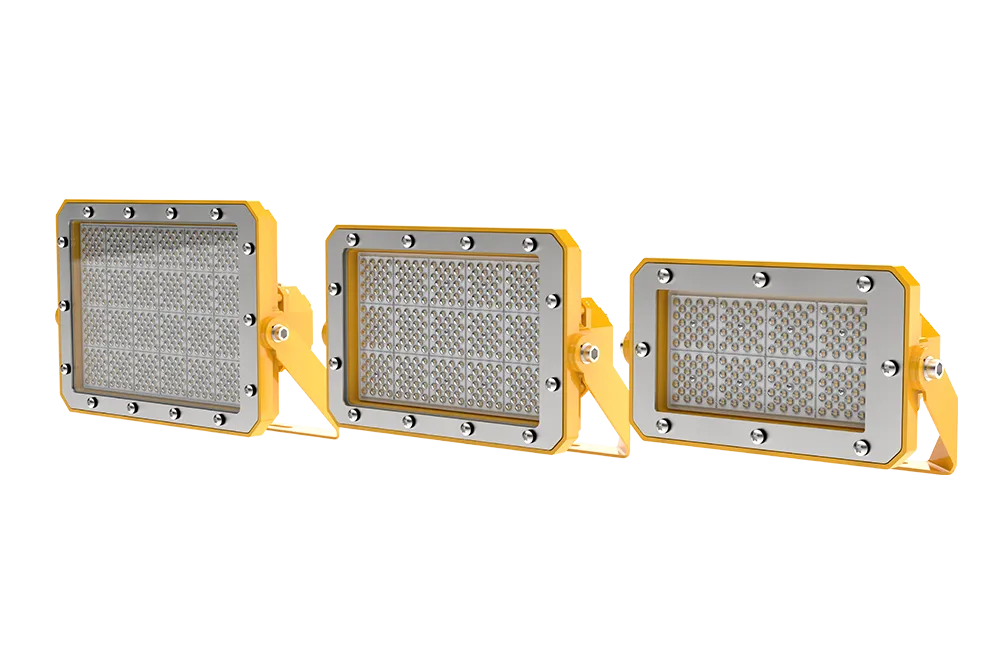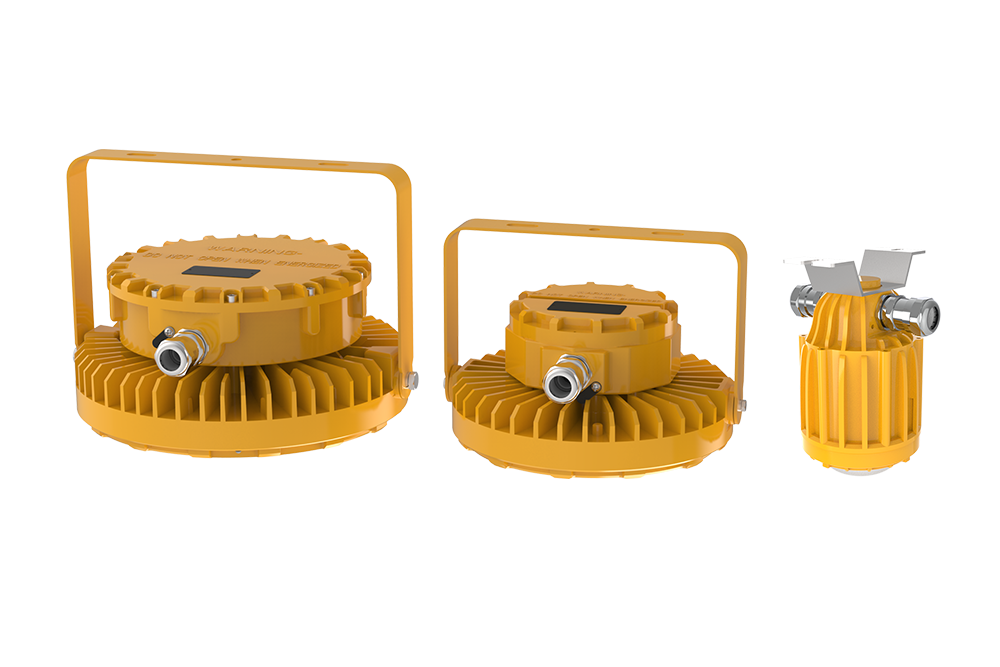
Opening the following composition investigates these methods with intrinsically safe units through production environments.
Acting dependably inside challenging zones like mining complexes calls for specialized implements for the purpose of block imminent incidents. Fire-secure fixtures are necessary parts in related sites, fabricated to resist energy releases, inflammable mists, and combustible locations. Such instruments are never inherently risk-free; alternatively they are developed to enclose any interior electrical fault or spark and stop it from starting a expanded explosion in the nearby location. This explanation discloses fundamental details about explosion-proof illumination, their functions, and hazard prevention matters for executing them diligently.
Understanding Explosion Proof Lighting Standards
Managing certain blast-proof lighting criteria can be intricate, especially across markets working with hazardous zones. These standards – often grounded on worldwide bodies for instance the National Electrical Standard (NEC), ATEX (Europe), and IEC – outline strict design and setup procedures to mitigate the hazard of combustion from power fixtures. Understanding referenced standards is imperative for ensuring staff safety and compliance with binding requirements.
Light Emitting Diode Fire Safe Illumination: Capability & Reliability
Light Emitting Diode blast-proof fixtures demonstrate a substantial growth over classic incandescent systems in territories where inflammable agents are existing. These hardy units just yield outstanding energy efficiency, bringing about declined running costs, but especially guarantee a augmented scale of protection by avoiding the hazard of explosions because of voltage arc}.
Explosion Proofed Unsafe Location Perilous Proof Ignition Glow Burst Resistant} Units : A Complete Overview
Explosion Proofed Combustible Setting Toxic Proof} Units are specially designed lighting systems built to function safely within possibly flammable areas. These heavy-duty fixtures avoid sparks, energy and static discharges from triggering a dangerous explosion. They normally incorporate tailored designs, employing specifically closed housings and essentially safe electronic elements to ensure safety codes in operations like hydrocarbon & hydrocarbon gas processing, production plants, quarrying operations, and chemical production.
Opting for the Correct Spark-Proof Sources for Hazardous Regions
Choosing the ideal hazard-resistant systems for a defined classified space involves meticulous scrutiny. Parameters such as the label (e.g., Division I, II, or III and regions 1) ought to be correctly examined to confirm agreement with relevant protection rules. More than the zone's inherent threats, factor in environmental circumstances, embracing thermal conditions and dampness, to determine a tough and stable solution. Regularly engage a expert expert to assist your choice.
Zones Where Are Needed Explosion Proof Lights?
Explosion-proof sometimes termed intrinsically safe|hazardous location|Class-rated} light devices are categorically needed in particular areas where dangerous chemicals or pollutants could may create a toxic atmosphere. This normally includes production conversion plants, protective layer application areas, cereal handling facilities, and liquid waste treatment plants. Regulations, such as those from IEC and NFPA, dictate their installation in these facilities to avoid the risk of ignition and preserve security continuity.
Benefits of Semiconductor in Detonation Safe Devices
Changing to LED technology for detonation-safe sources offers a substantial plethora of gains. First, light emitting diodes boast a remarkably longer longevity compared to traditional incandescent devices, reducing servicing payments and outages. They are also originally safer, producing diminished infrared energy which lowers the exposure of combustion in flammable atmospheres. In addition, electroluminescent units are increasingly energy saving, leading to reduced electrical consumption expenditures and a reduced ecologic influence. Finally, the durable make of Semiconductor lighting systems tolerates the rigorous milieus typical of explosion proof areas.
- Increased Usability Span
- Lessened Handling Costs
- Enhanced Protection
- Decreased Voltage Expenditure
- Strengthened Strength
Controlling and Testing Explosion Proof Lighting Systems
Systematic inspection and exhaustive review of ignition-resistant lighting networks are essentially important for guaranteeing risk management and curbing potential perils. This necessitates a routine review of all components, such as lighting apparatus, ducts, electrical lines, and connected junction boxes. Primarily, review for degradation, physical damage, and effective bonding. Over and above, validate that every inscriptions are clear and that the lighting required by applicable ex proof lights regulations.
- Implement surface inspections.
- Review power connections.
- Establish ignition safety.
Emerging of Explosion Proof Lighting Technology
Developing landscape of explosion-proof devices technology signals a considerable shift from traditional designs. Future systems will heavily incorporate automated capabilities, enabling non-proximate monitoring, diagnostics, and flexible control. We anticipate a rising adoption of luminescent technology, not only for its basic energy efficiency, but also its aptitude to facilitate installed sensors for gauging unstable conditions. Furthermore, materials research is leading innovations in robust enclosure materials, allowing for smaller and optimized designs, while preserving the required levels of protection.
- Improved battery life for conveyable applications.
- Assimilation with forecasting maintenance networks.
- Construction of hands-free lens methodologies.