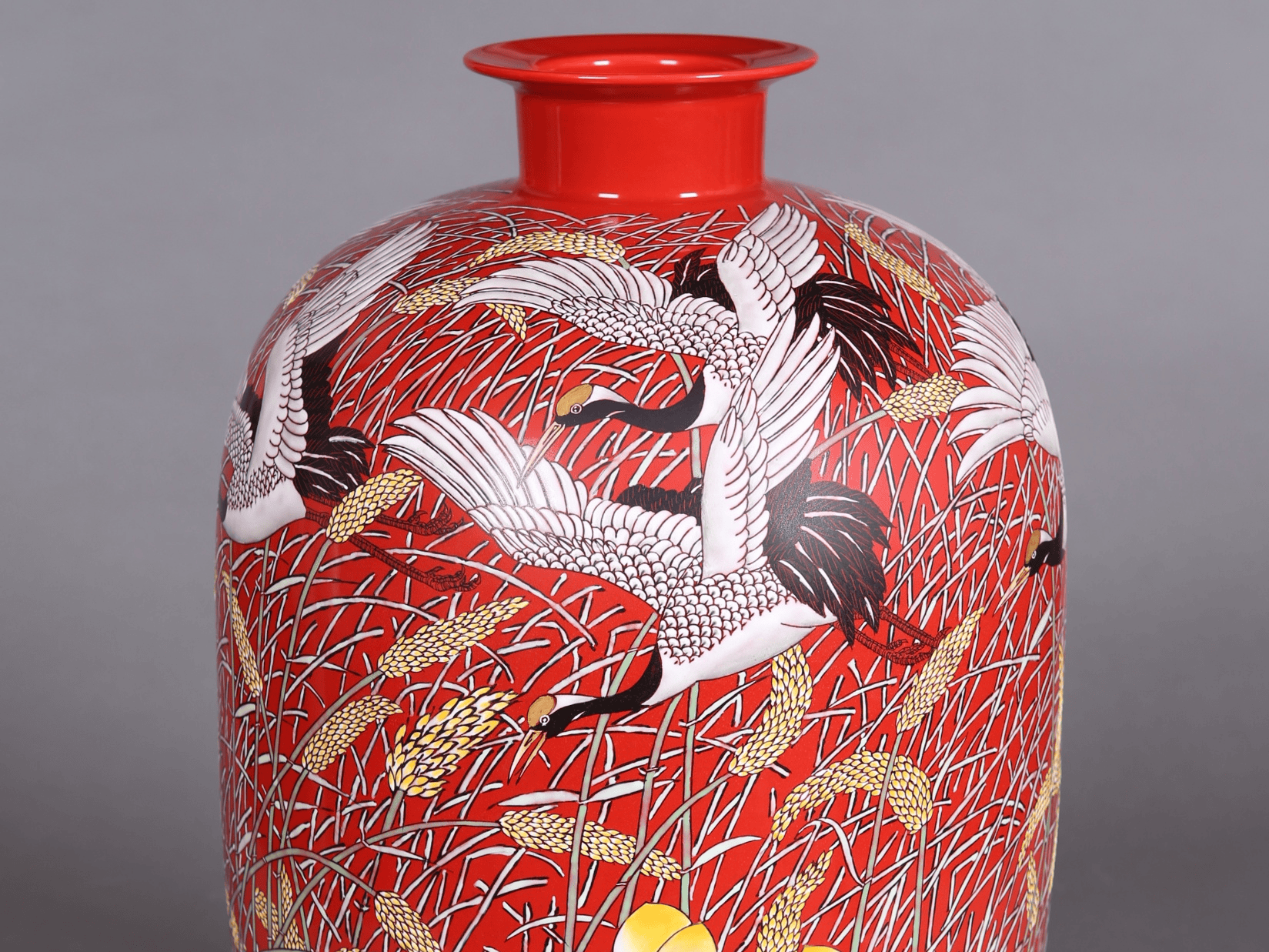
Pottery carving shows a notable field variety with a prolonged record, stretching back numerous of decades. From ancient canisters to current setups, the resource offers unmatched possibilities for creative representation. Builders employ multiple techniques – including constructing, wheel operating, and sophisticated firing processes – to convert humble terracotta into pleasing three-dimensional works. The robustness of fired ceramic also contributes to its status as a truly important part of human tradition.
Studying Clay Board Patterns and Processes
The domain of ceramic tablet design offers a ample array of original possibilities. Crafters often explore a blend of classic and contemporary techniques to form visually beautiful pieces. These can cover from simple, engraved reliefs to complex, multi-layered designs. Widely practiced methods include shape forming, hand building, glazing – which can involve several approaches like base glaze illustration, outer glaze enhancement, and sgraffito where designs are made visible by eroding a layer of shell. Extended research into overlay methods such as quick baking and metallic glaze can create truly one-of-a-kind and individualized ceramic boards.
- Shape Forming - Fabricating pieces using a cast
- Manual Fabrication - Carefully molding the earth
- Surface Treatment - Finishing the overlay with a glassy finish
- Sgraffito - Highlighting designs by peeling off finishes
Immersive Experiences: Brick Art Arrangements
The developing landscape of imagination presents exciting contemporary avenues for observers, and ceramic art installations are at the leading edge of this progression. These aren't just static objects; they are crafted to envelop the audience member in a sensory setting. Imagine stepping into a forest of towering, finished ceramic trees, or navigating a web of delicate ceramic vessels. Many craftsmen are now incorporating audio, glow, and even perfume to enhance the feeling of their work. Imagine the power of a room filled with hundreds of individually ceramic forms, each telling a tale. Habitually, such installations delve into themes of landscape, nostalgia, and humanity.
- The aforementioned installations blur the boundaries between design and space.
- Engaging with a ceramic art installation can be a deeply intimate journey.
- Artisans are extending the frontiers of what is possible with clay.
One Beauty of the Pottery Receptacle: Use and Configuration
The clay jar represents a distinctive mixture of utility and expressive appeal. Historically, these canisters served a essential mission in holding plants, but their advancement has transformed them into highly valued works of art. Each object showcases the mastery of the potter, demonstrating how structure can be as noteworthy as function. The precise shaping, the uncommon glazes, and the aggregate presence of a beautifully-crafted jar can boost a space, offering both allure and a subtle reminder of the craftsman’s hand.
State-of-the-art Pottery Work : Stretching Margins
Contemporary pottery work represents a fascinating transition from time-honored practices. Builders are actively pushing with original strategies, merging the separations between sculpture and other visual fields. From grand installations to precise miniature pieces, mentioned works analyze themes of background while concomitantly remaking the very of what clay can represent. The outcome is a vibrant field of artistic design.
Clay Tablet: Safeguarding Heritage in Ceramic
Pottery plaques offer a unique method for documenting significant events and souls. Unlike traditional metal or stone markers, these enduring pieces of handiwork are formed from heated clay, creating a palpable link to the yesteryear. Commonly, they showcase intricate sculptures or vividly Ceramic Tableware colored imagery, narrating stories that might otherwise be forgotten. An technique, rooted in ancient tribes, provides a stunning and enduring way to honor our collective record.
- The described can be located in shared spaces.
- Numerous are now accepted historical remnants.
Stoneware Art Creations: Transforming Sites
Porcelain art installations are becoming a meaningful medium for makers to reinvent public and private venues. These immersive projects frequently involve extensive clay forms that draw viewers, transforming their understanding of the developed environment. By applying diverse methods like fabricated molding and detailed firing processes, ceramic artists assemble truly remarkable experiences, overlapping the edges between art and building. The effect is often a touching change that strengthens the stylistic quality of the area and develops dialogue.
Commencement Potter's Wheel to Spectacle: The Craft of the Porcelain Vase
The journey of a stoneware vase from a simple lump of mud to a developed work of creation is a testament to human craftsmanship. Conventionally, the process commences with the potter’s lathe, where the masterful artisan molds the revolving terracotta into a cylindrical structure. This introductory phase demands sharpness and a disciplined eye, followed by a delicate firming period. Once rough-fired, the vessel is ready for ornamentation, which may require painting intricate arrangements, inscribing detailed scenes, or adding a array of textures. The last cooking process then evolves the piece into a durable and remarkable container, a tangible example of the artist's vision.
Working with Stoneware: A Primer to Ceramic Creation
Investigating the area of porcelain art begins with knowing the foundations of crafting with porcelain. This method entails deliberately incorporating and chiseling volume to create three-dimensional forms. Whether you're a newcomer or a skilled artisan, exploring with distinct categories of terracotta – notably pottery – will promote you locate your idiosyncratic expression. After all, brick forming is a valuable undertaking that connects dexterous mastery with expressive exhibition.